
RETHINKING PLASTICS

The next generation of plastics
Plastics born from CO₂ redefine the feedstock for plastic production. We create a new type of virgin plastics that makes carbon circular.
The global plastics market is estimated to be valued over USD 1 trillion by 2033. Today, plastics are a superior material in terms of versatility and hygiene. Plastics are used almost everywhere, and demand is predicted to triple by 2050. Today’s plastics are controversial and often part of a linear economy. Current virgin plastics rely on fossil raw materials, such as oil, which is why it is crucial we rethink plastics.
What does the next generation of plastics look like? They are plastics born from CO₂, promoting circularity and sustainability. They are versatile and malleable, and meet the set requirements, whether it be hygiene, colour, haptic or barrier properties. Our goal is to produce materials that do not leave behind any harmful microplastics. In the future, plastics born from CO₂ can be used, for example, in food and cosmetics packaging, toys, and home electronics, meeting the needs and requirements for different applications.
Plastics born from CO₂ means rethinking plastics – creating the next generation of sustainable materials.
Plastics are the most versatile materials on the planet. Plastics born from CO₂ are made with carbon dioxide, decreasing greenhouse gas emissions and making carbon circular.
Plastics born from CO₂ can easily replace traditional plastics, as they have the same properties as plastics using fossil carbon as feedstock. The next generation of plastics offers similar benefits that we expect from plastics, in a more sustainable way.
315
million tons
of plastic will be CO₂-based by 2050

Sustainability means circularity
In the future, we need to recycle all our materials, carbon included. When existing recycling solutions are no longer enough on their own, plastics born from CO₂ offer an alternative.
Plastics born from CO₂ is a unique opportunity for companies committed to reducing their carbon footprint, meeting circularity demands, and demonstrating genuine commitment to sustainability. 71% of European consumers say they want to buy sustainable products. Plastics born from CO₂ provides an opportunity to contribute to a greener future, without compromising on the quality or functionality of the products. Plastics born from CO₂ is a step towards a circular world where we all have a possibility to build a better tomorrow.

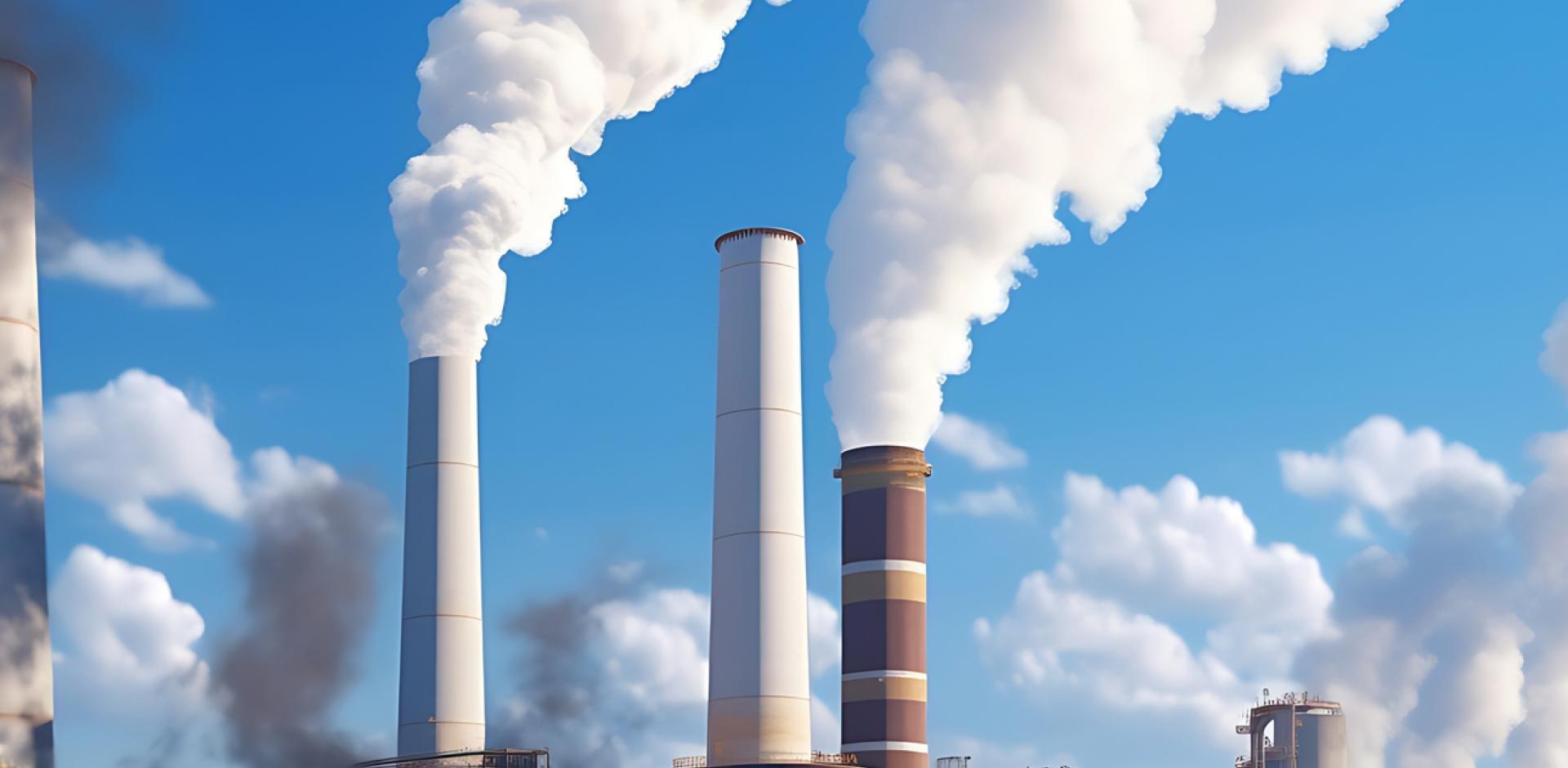
CO₂ as a raw material
Carbon is the foundation of life and abundantly available on Earth. All living things use carbon. At the same time, carbon dioxide is the main driver for the biggest crisis we are facing – the climate crisis. Plastics born from CO₂ represent a world where carbon dioxide is no longer seen as a pollutant, but as a raw material contributing to a cleaner, greener, and more sustainable world. Carbon is a valuable raw material and should be treated as one.
There is already a lot of carbon in use, but we need to make it a readily available raw material for plastic production. CO₂ is a reliable resource, as it can be found everywhere, and it can reduce our dependency on fossil resources like oil. Plastics born from CO₂ mimics the natural carbon cycle, creating an industrial carbon loop. By capturing and utilising the value of CO₂, we are mitigating climate change and decreasing the need for fossil feedstock in plastic production.
Sources: Sources: Statista (2023), Nova-Institut GmbH (2021), Bain & Company, 2023